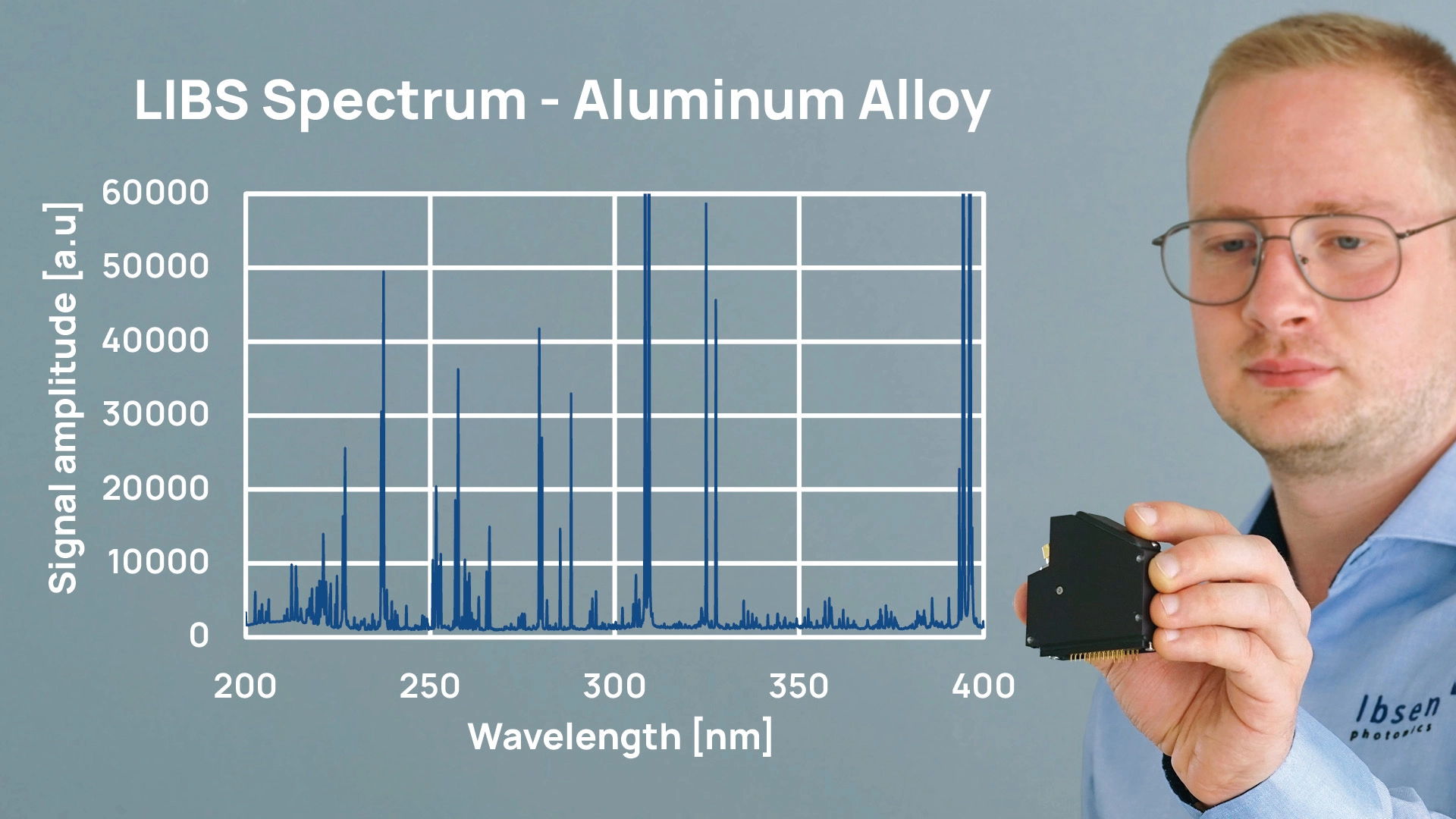
Laser‑Induced Breakdown Spectroscopy (LIBS) is a powerful technique for fast, multi‑element analysis, and widely used for metal alloy characterization in the metals industry. A LIBS instrument uses a high‑energy laser to create a plasma, and a spectrometer to capture the resulting emission.
But how do you choose the right spectrometer for your LIBS instrument?
Here are the features that matter most:
- High resolution to separate dense emission lines across the UV, VIS or NIR range
- High sensitivity to detect weak spectral features in complex plasma signals
- Accurate timing control to capture the plasma at the exact right moment
- Ruggedized, thermally stable design to ensure consistent performance in real‑world environments
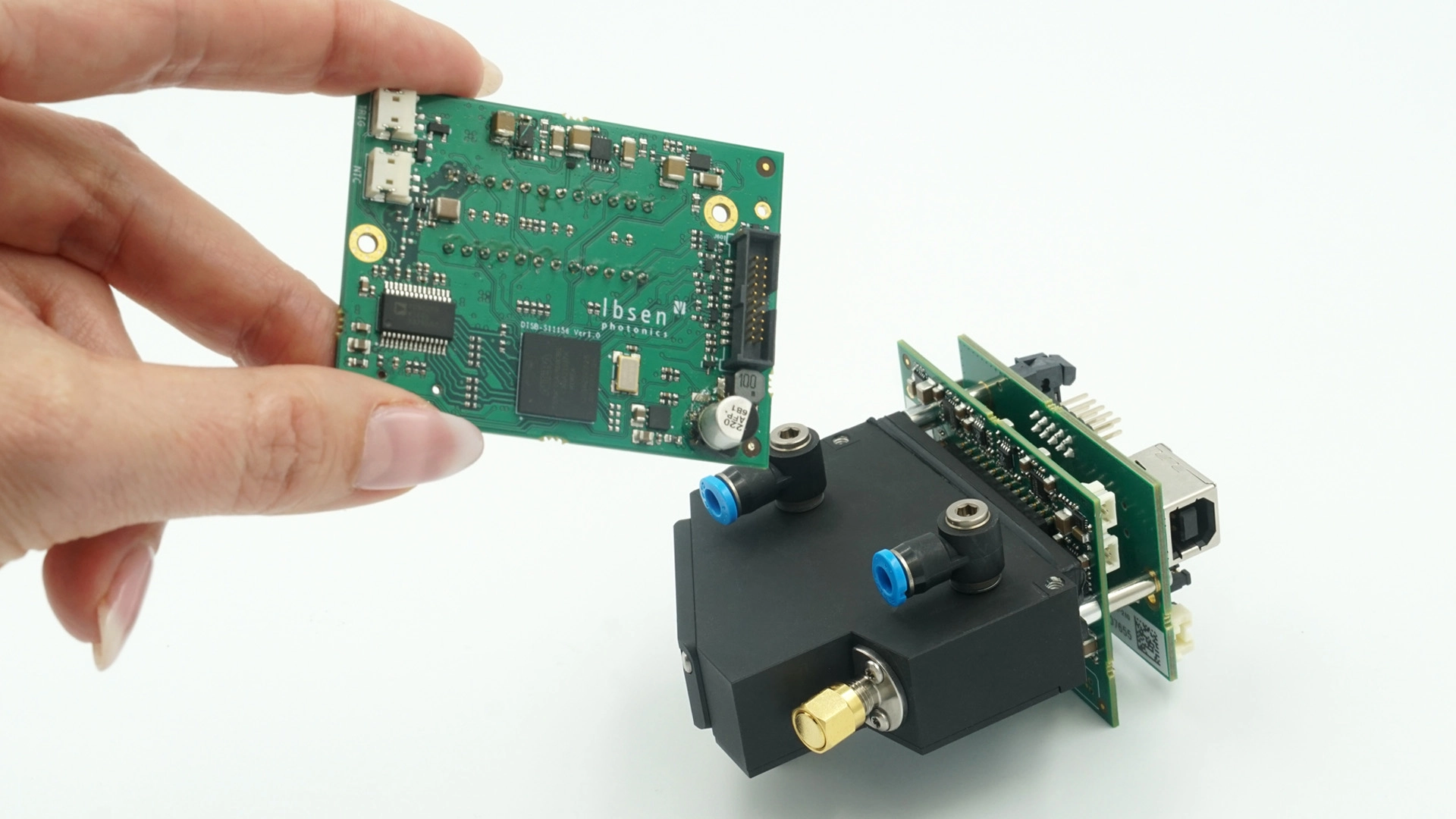
LIBS spectrometers with DISB electronics for precise timing control
Laser Induced Breakdown Spectroscopy (LIBS) relies on precise synchronization between laser pulses and the spectrometer’s exposure time. While many systems depend on complex and expensive cameras to achieve this, we offer a more efficient solution.
Our LIBS spectrometers combine speed, high sensitivity, and accurate synchronization with laser pulses. Equipped with our highly efficient gratings, they offer over 50% diffraction efficiency across a broad range from 173 nm (UV) to 1100 nm (SWNIR). Additionally, they feature our DISB electronics, which provides accurate hardware-based triggering with +/- 10 ns jitter and delay control in 200 ns steps. For applications requiring UV performance down to 173 nm, our spectrometers include inert gas purging valves to ensure optimal operation.
With over 12,000 LIBS spectrometers in active use and an annual production exceeding 2,000 units, we lead the market in performance and reliability.
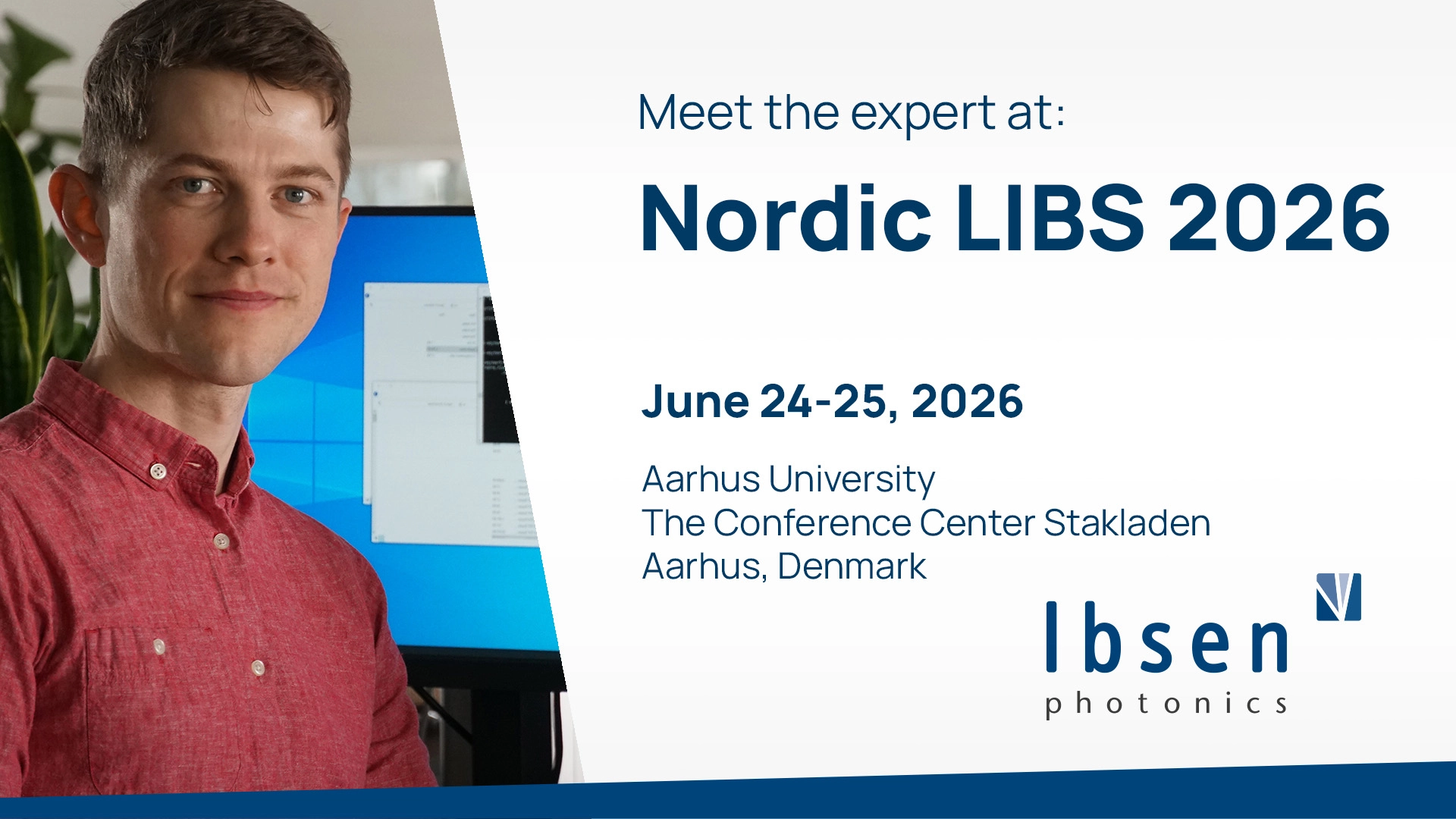
LIBS spectroscopy insights with Rasmus Sterobo at the Nordic LIBS Conference
Rasmus Sterobo, our Application and Product Management Specialist at Ibsen Photonics, will be present at the Nordic LIBS Conference in Aarhus, Denmark.
With over seven years at Ibsen, his expertise in solving complex technical challenges and bridging optical design with practical implementation has made him invaluable to our team and customers. For those attending the conference, don’t miss the opportunity to connect with Rasmus and learn from his insights into the future of LIBS spectroscopy.